
In New South Wales, you can extend a heritage home, but most extensions require council approval, a Heritage Impact Statement, and careful design to avoid refusal. Heritage homes are protected for their character and history, which means any extension must respect the original structure while meeting modern planning controls.
For homeowners across Sydney and NSW, this often raises questions about what is allowed, how long approvals take, and whether extending is even worth it. This guide explains the rules, requirements and real-world considerations so you can plan your heritage extension with confidence.
Can you extend a heritage home in NSW?
The short answer is yes, but it comes with rules, approvals and a level of care that standard homes do not require. In this guide, we will walk through what is allowed, what councils look for, and how to approach a heritage extension in a way that respects the original home while still giving you the space you need.
What Makes a Home a Heritage Property in NSW?
Before discussing extensions, it helps to understand what heritage actually means in a planning context.
In NSW, a home may be considered heritage if it is:
- Individually listed on a local council heritage register
- Located within a heritage conservation area
- Listed on the State Heritage Register in rarer cases
Being heritage listed does not mean your home is frozen in time. It means any changes need to respect the elements that give the property its heritage value.
This could include the original facade, roof form, materials, internal layout or even the relationship of the building to the street.
Councils do not expect heritage homes to be museums. They expect thoughtful changes that do not erase what makes the home historically significant.
Are Heritage Home Extensions Allowed in NSW?
Yes, heritage home extensions are allowed across NSW, but they are assessed differently to standard renovations.
Most councils support extensions where:
- The original part of the home remains clearly identifiable
- New work is located to the rear or less visible areas
- The extension does not dominate or overwhelm the original structure
- Materials and scale are sympathetic without copying
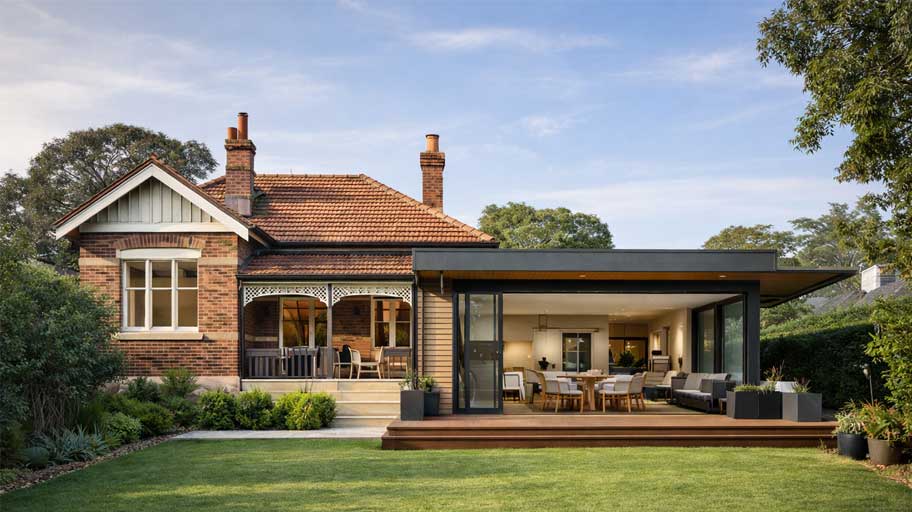
This is where many homeowners get caught out. An extension does not need to look old, but it must respect the old. Well designed extensions often create a clear distinction between old and new, allowing the heritage fabric to remain intact while adding modern living spaces behind it.
Rear extensions, attic conversions and lower ground additions are generally more favourably received than large front or side additions.
Are Heritage Home Extensions Allowed in NSW?
Yes, heritage home extensions are allowed across NSW, but they are assessed differently to standard renovations.
Most councils support extensions where:
- The original part of the home remains clearly identifiable
- New work is located to the rear or less visible areas
- The extension does not dominate or overwhelm the original structure
- Materials and scale are sympathetic without copying
This is where many homeowners get caught out. An extension does not need to look old, but it must respect the old. Well designed extensions often create a clear distinction between old and new, allowing the heritage fabric to remain intact while adding modern living spaces behind it.
Rear extensions, attic conversions and lower ground additions are generally more favourably received than large front or side additions. Many of the same principles that apply to standard home extensions in NSW still apply to heritage properties, but with additional design controls to protect the original home.
Do You Need Council Approval for a Heritage Extension?
In almost all cases, yes. Heritage extensions in NSW typically require a Development Application rather than a fast track complying development certificate. Even relatively modest changes can trigger heritage controls.
Your application will usually need to include:
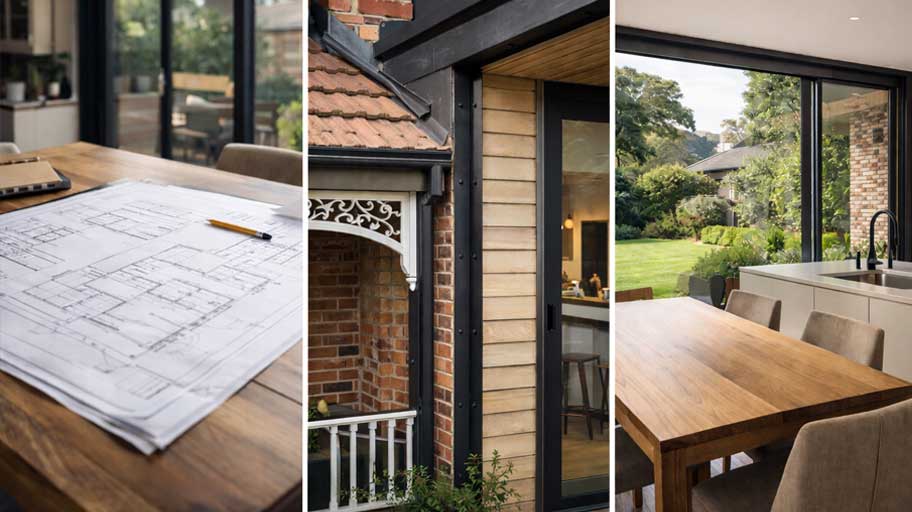
- Architectural drawings showing the existing and proposed works
- A Heritage Impact Statement explaining how the extension affects the home
- Streetscape context and overshadowing considerations
- Material selections and finishes
Councils assess heritage applications carefully, but approval is very achievable when the proposal is well considered. If you are unfamiliar with the approval process, our guide on how to get council approval for renovations on the Ardent Construction website explains this in more detail and is worth reading before you start. If you are unfamiliar with the approval process, it helps to understand how council approval for renovations works before committing to designs or construction timelines.
What Is a Heritage Impact Statement and Why Does It Matter?
A Heritage Impact Statement is one of the most important documents in a heritage extension application. It is not just paperwork. It tells the story of your home, identifies what makes it significant, and explains how the proposed extension respects that significance.
A strong Heritage Impact Statement will:
- Identify original and contributory elements
- Explain why the extension is needed
- Demonstrate minimal impact on heritage fabric
- Show that new work is reversible where possible
Poorly written statements are one of the most common reasons heritage applications are delayed or refused. Working with a builder experienced in heritage construction helps ensure the statement aligns with how the extension will actually be built.
Design Rules Councils Care About Most
While every council has its own heritage controls, there are common themes that apply across NSW.
Councils tend to focus on:
- Maintaining the original roof line and facade
- Keeping extensions visually secondary
- Using appropriate proportions and scale
- Respecting neighbouring heritage properties
This does not mean you cannot have a modern kitchen, open plan living or large glazing. It simply means these features are often better placed at the rear, away from the public domain. Some of the most successful heritage extensions we see in Sydney are almost invisible from the street but completely transform how the home functions inside.
Materials and Construction Considerations
Extending a heritage home is not just about planning approval. Construction itself requires a different approach.
Older homes often include:
- Lime based mortars rather than cement
- Timber framing that moves differently to modern materials
- Shallow footings or sandstone foundations
- Irregular walls and floor levels
Connecting new work to old structures must be done carefully to avoid cracking, moisture issues or long term structural problems. This is why heritage extensions are best handled by builders who specialise in this type of work rather than general renovation teams.
At Ardent Construction, heritage homes are a core part of what we do. Our experience across Sydney heritage renovations means we understand both the approval side and the practical realities of building these extensions properly. This is why heritage projects are best handled by builders who specialise in heritage renovations in Sydney, rather than general renovation teams unfamiliar with older structures and materials.

Common Mistakes That Cause Delays or Refusals
Many heritage extension issues are avoidable.
The most common mistakes include:
- Designing the extension before understanding heritage controls
- Trying to match old materials exactly instead of complementing them
- Underestimating the importance of documentation
- Appointing builders without heritage experience
Rushing the early planning stage often leads to redesigns, additional consultant costs and extended approval time frames. Taking the time to get it right from the start usually saves both time and money overall.
How Long Does a Heritage Extension Take?
Time frames for heritage extensions are generally longer than standard builds.
As a rough guide:
- Design and documentation can take several months
- Council assessment may take longer due to heritage review
- Construction often requires slower, more careful sequencing
That said, delays are not inevitable. Well prepared applications and experienced project teams move through the process far more smoothly.
Is Extending a Heritage Home Worth It?
For many homeowners, the answer is absolutely.
A well executed heritage extension allows you to:
- Retain the character that attracted you to the home
- Improve functionality and livability
- Increase long term property value
- Avoid the disruption of moving
Heritage homes that have been thoughtfully extended often stand out in the market, offering something unique that modern builds cannot replicate.
So, can you extend a heritage home in NSW? Yes, but it requires respect for the building, a clear understanding of council expectations, and the right team around you. Heritage extensions are not about restriction. They are about balance. When done properly, they create homes that honour the past while supporting modern life.
If you are considering extending a heritage property and want advice grounded in real experience, speak with the team at Ardent Construction. We specialise in heritage renovations and extensions across Sydney and understand how to navigate both the planning process and the construction challenges that come with these homes.
Get in touch with Ardent Construction to discuss your heritage extension and find out what is possible for your property.