
Owning a heritage property in New South Wales is something special. These buildings carry real history, craftsmanship, and character that you simply do not find in modern homes. But with that charm also comes responsibility, especially when it comes to fire safety. Many heritage homes and commercial buildings were built long before today’s safety standards existed, and while the original features may look beautiful, they can leave the structure vulnerable if a fire ever occurs.
Fire behaves differently in older buildings. Ageing timber, shared roof spaces, older wiring, lack of fire separation, and outdated materials can all increase the speed at which a fire spreads. Even small issues like gaps in floorboards, open cavities, or non-compliant doors can allow smoke to move rapidly through the building. For heritage property owners, upgrading fire safety is not just a legal requirement; it is one of the most important ways to protect the building’s legacy.
But here is where many owners become unsure. How do you improve fire safety without damaging or altering the heritage character? What upgrades are compulsory? What changes are allowed under NSW heritage controls? And how much flexibility do owners really have when conservation and compliance appear to clash?
The good news is that NSW regulations do allow heritage buildings to be upgraded sensitively, and there are ways to achieve compliance while respecting original details. In fact, with the right planning, heritage fire upgrades can be almost invisible. The key is understanding what the building needs and what the law requires.
Before we explore the solutions, let’s talk about why heritage buildings are particularly vulnerable to fire in the first place.
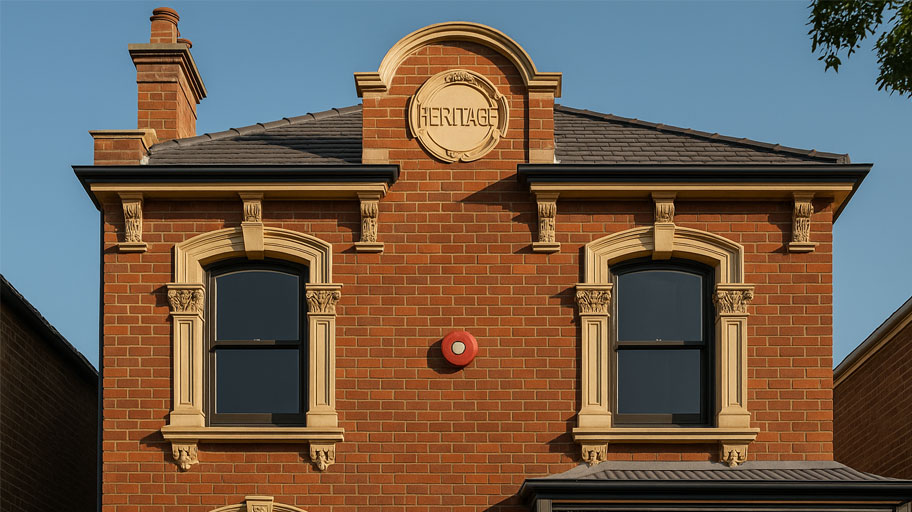
Why Fire Risk Is Higher in Heritage Buildings
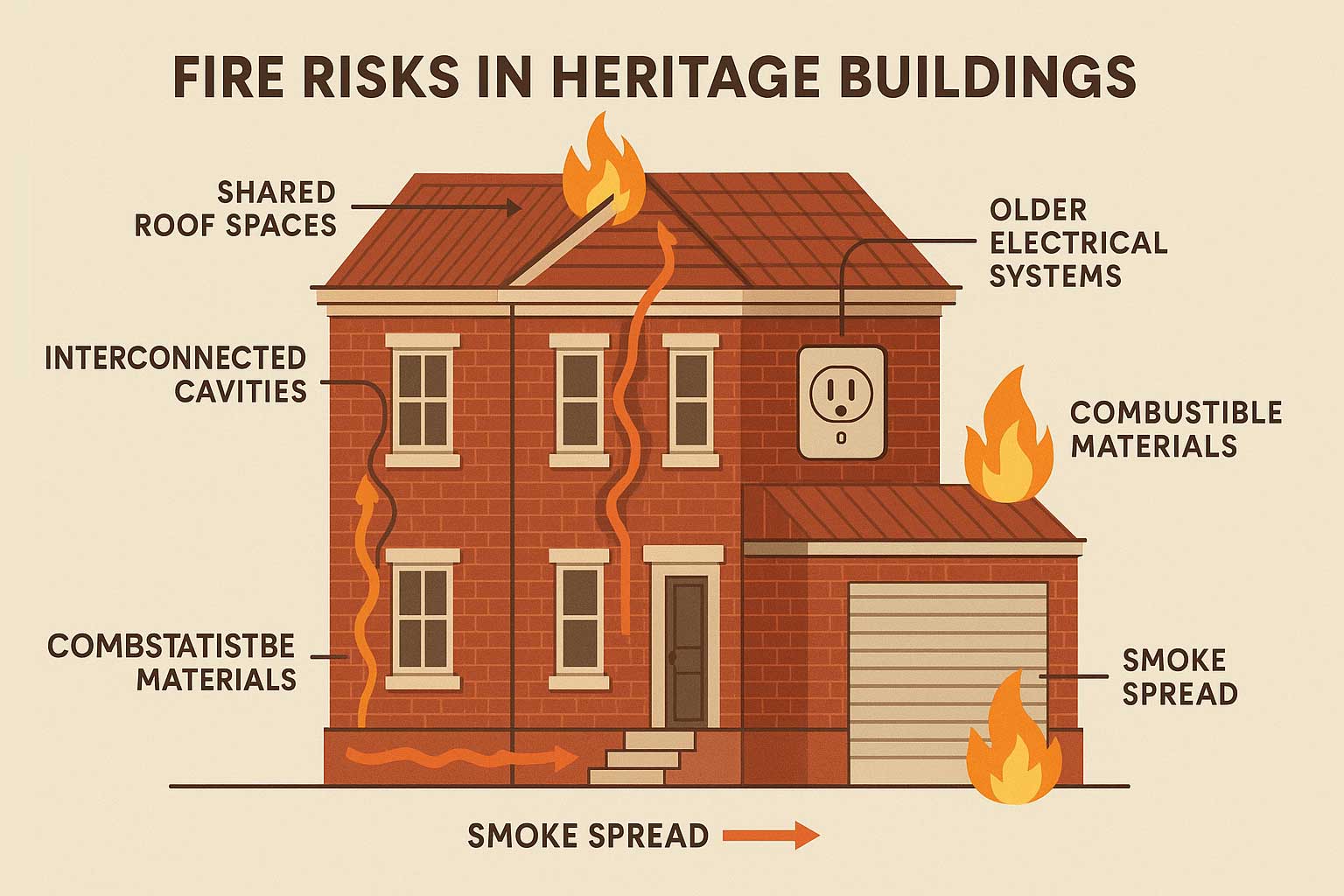
Fire behaves differently in older structures, and heritage buildings in NSW are particularly vulnerable because of the way they were originally built. Many of these properties were constructed long before fire separation rules, fire-resistant materials or modern electrical standards existed. This means the building fabric itself can encourage a fire to spread far more quickly than in a contemporary home.
One of the biggest risks comes from interconnected cavities. Heritage terraces and older Federation homes often have shared roof spaces, open voids behind walls or gaps in floorboards that allow flames, heat and smoke to travel rapidly from one room to another. Once fire enters these areas, it can move through the building before the occupants even realise something is wrong.
Older electrical systems are another concern. Heritage homes may still contain outdated wiring, aging switchboards or makeshift electrical upgrades completed by previous owners. Electrical faults remain one of the most common causes of house fires in NSW, and older systems are far more prone to overload or failure.
Timber is also a major factor. While heritage timber is strong and durable, it is still combustible. When a fire takes hold, older dry timber can ignite quickly. Details like ornate skirting, decorative architraves and original ceiling battens can help fire climb vertically through the building.
Another issue is accessibility. Narrow hallways, heavy doors, steep staircases and older layouts can make evacuation more difficult. Many heritage commercial buildings also lack compliant exit signage or emergency lighting.
Finally, heritage homes were not designed with smoke control in mind. Gaps under doors, open fireplaces, older ventilation systems and loose glazing allow smoke to move freely, reducing visibility and increasing the danger very quickly.
The purpose of upgrades is not to remove the character of the building, but to quietly reduce these risks while keeping the heritage fabric intact.
Understanding Your Legal Obligations in NSW
Fire safety in heritage buildings is not optional. NSW has strict requirements for owners, whether the property is residential, commercial or mixed use. The goal of the law is simple: to protect life, protect neighbouring properties and preserve the building itself wherever possible.
The primary legislation guiding fire safety obligations in NSW includes the Environmental Planning and Assessment Act, the Building Code of Australia and the Heritage Act. While this may sound complicated, what matters most to owners is understanding how these rules work together.
A heritage building still needs to meet minimum fire safety standards, but the approach is more flexible than with modern structures. Councils and certifiers recognise that certain upgrades cannot be completed in the same way as in a new build, especially if they would damage the original fabric or alter the historic appearance. Instead, heritage fire upgrades are assessed on performance. This means the objective is to achieve fire safety outcomes through solutions that suit the building’s age, materials and layout.
For example, if installing a standard fire door would disrupt original joinery, an alternative method, such as concealed fire-rated panels or upgraded hardware, may be acceptable. Likewise, if a building’s layout prevents traditional fire separation, other protective measures such as smoke detection, early warning systems or improved egress paths may be used instead.
Owners are also required to maintain their fire safety measures through annual fire safety statements. These statements confirm that fire systems are operating correctly and have been inspected by qualified professionals.
If the building has known structural issues, water ingress or deteriorated materials, these may also impact fire performance. In these cases, remedial works may be required. Ardent explains more about building rectification on the Remedial Building page.
Understanding your obligations early helps you avoid delays, unexpected compliance notices or costly last-minute upgrades during renovation planning.
Common Fire Safety Upgrades for Heritage Buildings
Upgrading the fire safety in a heritage place does not mean stripping away the charm that made you fall in love with the building in the first place. In fact, the best upgrades are usually the ones you barely notice. They quietly do their job in the background while the house still looks and feels like a true heritage home.
Most owners start with the simple stuff, and smoke detection is the first place to look. Older homes often have alarms that are outdated or badly placed, and many do not have enough coverage. These days, there are wireless systems that work incredibly well and save you from opening up ceilings or running visible cabling. You get modern protection without interrupting the original finishes.
Doors are another big one. A lot of heritage doors look fantastic, but do not offer much resistance in a fire. Luckily, you do not always need to replace them. There are ways to upgrade the seals, hinges, and fittings so the door performs like a fire door while still keeping its original look. Sometimes a small adjustment or a hidden upgrade is all it needs.
Then there is the issue of how a fire actually moves through the building. Many older homes have gaps, voids, or open roof spaces that act like pathways for smoke. Sealing the right areas or adding fire resistant boards behind the scenes makes a huge difference, and once the work is done, you would not even know anything has changed.
Moisture problems can also affect how a building behaves in a fire. Rotting timber, soft sills, or damaged balcony areas can weaken the structure and make it more vulnerable. If your property has any balcony leaks or signs of water damage, it is worth sorting those out early. You can read more about that here:
https://www.ardentconstruction.com.au/cost-to-repair-a-leaking-balcony-in-sydney/
Electrical upgrades are also a smart investment. Old wiring and switchboards are one of the biggest fire risks in older homes. Updating these is allowed in every heritage property and often makes the building safer straight away. Owners are usually surprised by how much peace of mind they get from this alone.
If the building needs stronger fire separation, such as in multi level properties or commercial heritage spaces, solutions can often be integrated into existing joinery or wall cavities. Specialist tradespeople can modify original elements like skirting boards, architraves or ceiling roses so everything remains visually consistent while still meeting performance requirements.
The main thing to remember is this: fire safety upgrades do not have to change the character of your heritage property. When they are done properly, they support the building, not compete with it.

How Fire Safety Upgrades Can Be Done Without Damaging the Heritage Fabric
One of the biggest worries heritage owners have is the fear that fire upgrades will ruin the look of the building. It is a fair concern. No one wants to see a beautiful set of original doors replaced with something boxy and modern, or have bulky smoke detectors stuck right in the middle of a pressed metal ceiling. The good news is that fire upgrades in heritage buildings are rarely that invasive when they are planned properly.
Most of the work happens behind the scenes. Rather than replacing original features, the focus is on strengthening the parts you cannot see. For example, fire rated boards can be installed behind old walls or ceilings to create proper separation between rooms. Once the work is done, the space looks exactly the same, but it performs much better in a fire.
There are also clever ways to protect timber without changing its appearance. Modern intumescent coatings, for instance, can be applied to timber surfaces. These coatings react to heat by swelling and forming a protective barrier. From the outside, the timber looks untouched. But in a fire, it buys valuable time by slowing ignition and heat transfer.
Electrical upgrades also help reduce risk without touching the building fabric at all. Rewiring the property, upgrading the switchboard and installing safety switches dramatically improves fire resilience. In many older terraces and cottages, this is one of the most effective changes owners can make.
When it comes to alarms, many systems today are designed with heritage architecture in mind. There are low profile detectors, wireless systems that avoid cutting into plaster, and even concealed options where the sensing equipment is hidden and only a small trim ring is visible. A lot of owners are pleasantly surprised by how discreet these products are.
If the building needs stronger fire separation, such as in multi level properties or commercial heritage spaces, solutions can often be integrated into existing joinery or wall cavities. Specialist tradespeople can modify original elements like skirting boards, architraves or ceiling roses so everything remains visually consistent while still meeting performance requirements.
The goal is always the same. Preserve the history. Improve the safety. Avoid unnecessary disruption. When heritage and fire compliance are approached together, the results are usually seamless.
When You Need a Specialist Heritage Builder
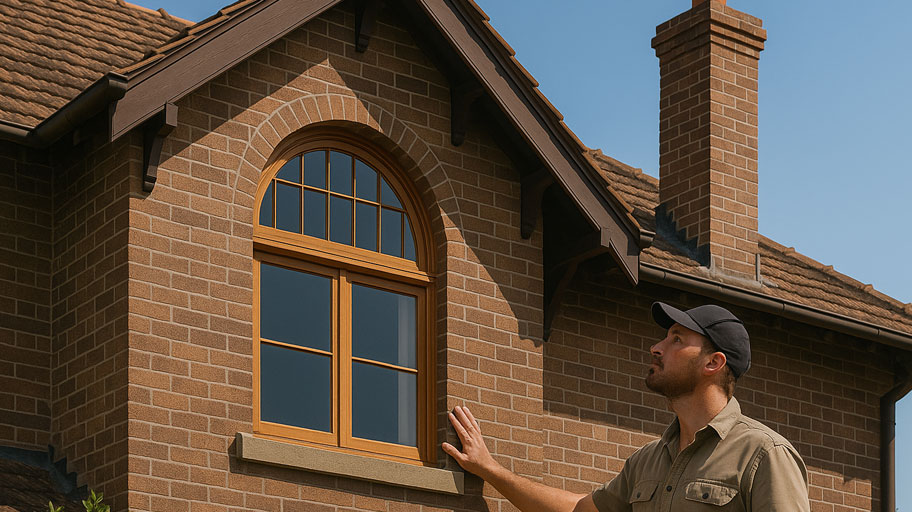
Fire safety upgrades in heritage buildings are not something you want handled by a general handyman or a contractor who has only worked on newer homes. Heritage construction has its own set of rules, expectations, and techniques, and a lot of the work depends on understanding how the original building was put together.
A specialist heritage builder knows how to diagnose issues properly without damaging the structure. They will look at how the home breathes, how moisture moves through the building, and which materials can be safely repaired or replaced. They also understand the performance requirements under NSW fire safety regulations and how to meet them without compromising the building’s character.
This becomes especially important when you are dealing with older timber, original plasterwork, decorative elements or unusual layouts. A heritage builder will plan upgrades in a way that respects the original craftsmanship. For example, if the building needs better compartmentation, they will find ways to conceal fire rated materials inside existing cavities rather than covering up original finishes.
If fire doors or improved smoke separation are required, a heritage specialist can upgrade the existing joinery rather than replacing it with something modern. It takes more time and skill, but the finished result blends into the home instead of looking out of place.
In commercial or multi-occupancy heritage buildings, the process becomes even more complex. Fire engineering solutions may be required, and these need to be coordinated with both the council and heritage officers. A specialist builder ensures everything is documented, compliant, and completed in a way that allows the building to pass annual fire safety inspections.
If your property already has structural issues, water damage or any renovation work planned, it is worth approaching these upgrades carefully. Many heritage homes fall into problems when owners or builders take shortcuts during renovations. If you want to avoid some of the most common pitfalls, this guide is helpful:
https://www.ardentconstruction.com.au/common-renovation-mistakes-in-sydney-homes-and-how-to-avoid-them/
At the end of the day, the goal is simple. You want the building to be safer, stronger, and protected for the future, without losing the charm that makes it special. Working with a specialist is the best way to achieve that balance.
Protecting Your Heritage Property for the Future
Fire safety is one of those things that often gets pushed to the bottom of the list until a problem appears. But in heritage buildings, the risks are higher and the consequences can be far more serious. These homes were built in a completely different era, with different materials, different layouts and different performance expectations. Every upgrade you make today has a direct impact on how well the building will stand up to a fire in the future.
The good news is that modern fire safety solutions do not have to clash with the character you want to protect. When the upgrades are planned properly, most of the changes are subtle, hidden or seamlessly integrated into the original design. You end up with a building that feels the same to live in, but performs to a much higher standard when it matters.
Heritage properties deserve that level of care. They tell the story of Sydney’s architectural past, and every responsible upgrade helps preserve that story for decades to come. Many owners also find that once fire safety improvements are complete, the home feels sturdier, more comfortable and more secure overall.
Whether you are renovating, navigating compliance notices or simply trying to future proof an older home, understanding fire safety is one of the most important steps you can take.
Ready to Upgrade the Fire Safety of Your Heritage Property?
If you own a heritage home or manage a heritage-listed building, getting the fire safety right is one of the most important steps you can take to protect the structure and everyone who uses it. These buildings are worth preserving, and with the right approach, fire upgrades can be completed without taking away the character, charm or original craftsmanship that makes them special.
Ardent works with older homes every day, and we understand how to balance safety, compliance, and sensitive heritage restoration. Whether you are planning renovations, dealing with existing defects, or simply want peace of mind that your property meets today’s safety standards, we can walk you through the process and make sure the building is protected for the long term.
If you would like advice, an assessment, or a clear plan for your property, our team is here to help.
Visit our contact page or reach out to Ardent to book an inspection or consultation.