
Renovating a heritage home in NSW has always required patience, planning, and a good understanding of what you can and cannot do. These homes carry incredible character, but they also come with strict guidelines designed to protect their history. And if you have been keeping an eye on renovation rules over the past few years, you will know that NSW has made several changes to heritage policy, planning requirements, and renovation approvals.
In 2026, a number of updates came into effect, and they are now shaping how homeowners, renovators, and builders approach heritage properties right across the state. Some of these changes make the process easier, while others introduce new responsibilities. If you are planning to work on a heritage-listed home or even a home in a conservation area, understanding these updates is essential.
In this guide, we will break down the new rules in a clear, conversational way. We will look at what has changed, what has stayed the same, and how homeowners can navigate the process smoothly. Most importantly, we will explore how to plan a renovation that respects your home’s heritage while still creating a comfortable, functional space for modern living.
Along the way, we will include practical examples, tips, and guidance so you are not stuck guessing what the council expects. And if at any point you are unsure where your project fits, you can always reach out to Ardent Construction for advice on heritage compliant work.
Why Heritage Rules Changed in 2026
Heritage regulations have not changed simply for the sake of change. NSW has updated its policies in response to ongoing challenges across the state. Many heritage homes were being renovated with good intentions, but without a proper understanding of conservation principles. In other cases, councils were overwhelmed by unnecessary approval requests for minor cosmetic work.
The 2026 updates were introduced to solve these issues. The goals were:
- Make the rules easier for homeowners to understand
- Reduce unnecessary council applications
- Strengthen protection for the original fabric
- Improve fire safety and building performance
- Encourage restoration instead of replacement
- Support sustainable upgrades that do not damage historic features
The result is a clearer path for homeowners, but also a stronger focus on genuine heritage preservation.
Speak With An Expert
If you want help assessing what parts of your home are historically significant, speak with Ardent’s heritage team. Experienced heritage builders can identify what must stay, what can change and what can be restored.
Change 1: More Work Can Be Done Without a Full DA
One of the biggest frustrations for homeowners has always been the amount of paperwork involved. Even small changes often triggered a Development Application, which added time, cost, and uncertainty.
In 2026, NSW expanded the types of work that can be completed under exempt development or a simplified approval pathway. This includes:
- Repainting in historically appropriate colours
- Repairing damaged timber features
- Restoring windows and doors
- Updating kitchens and bathrooms where the original fabric is not affected
- Replacing roofing materials with matching profiles
This does not mean you can do whatever you like. The key condition is that the work must involve like-for-like repairs or cosmetic upgrades that do not alter the heritage significance of the building.
For example, if your original timber windows are swollen or deteriorating, you can now restore them more easily without heavy approvals. We have a dedicated article on this topic here: Why Your Heritage Timber Windows Keep Swelling (And the Solution)
Speak With An Expert
Before finalising a renovation plan, ask Ardent to review your scope. We can tell you immediately which parts of your project fall under exempt development and which require approval.
Change 2: Clearer Rules for Energy Efficiency and Sustainability Upgrades
Energy performance standards have become a major priority across NSW. Heritage homes, however, cannot always be upgraded using the same methods as modern buildings. Double glazing, external insulation, and other measures can damage or change the appearance of the original fabric.
To solve this, NSW introduced a more flexible set of guidelines for 2026. Homeowners can now:
- Install secondary glazing instead of full window replacement
- Improve insulation from inside walls rather than outside
- Install solar systems where they cannot be seen from the street
- Use modern, efficient materials that visually match the originals
The goal is to balance environmental performance with conservation. If you are unsure how to upgrade your home’s efficiency without damaging its character, Ardent can create a tailored plan that meets both heritage and energy standards.

Change 3: Stronger Emphasis on Fire Safety in Older Homes
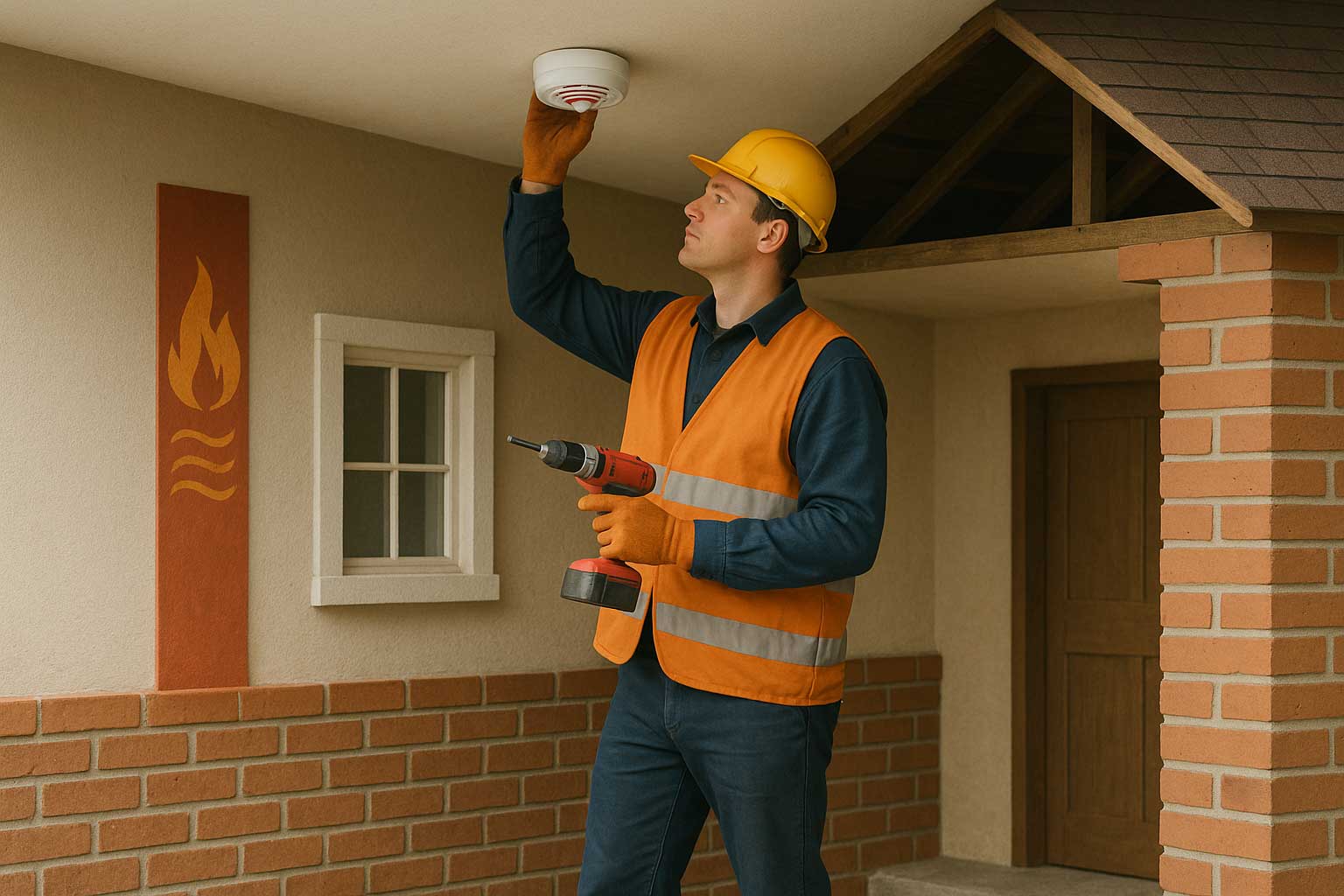
Another major update in 2026 focuses on fire safety. Many heritage homes were built long before current safety standards existed, which means cavities, roof spaces and timber frames can become fire pathways if not properly managed.
NSW now requires certain fire safety improvements when substantial renovations are being carried out. These may include:
- Smoke detection upgrades
- Better compartmentation to slow fire spread
- Safer electrical systems
- More fire-resistant coatings on timber
- Improved egress where layouts are narrow or restrictive
- These upgrades are not optional when a home undergoes a significant renovation.
If you want a deeper explanation, we have a full article here:
Fire Safety Upgrades in Heritage Properties: What NSW Owners Must Know Fire safety upgrades do not have to ruin the charm of your home. Ardent specialises in discreet solutions that preserve original details.
Change 4: More Protection for External Heritage Streetscapes
Councils noticed that many heritage-listed streets were gradually losing their unified appearance as different homes were renovated. While individual changes seemed small, the cumulative effect was significant.
The 2026 rules now provide clearer protection for:
- Verandas
- Original brick or sandstone facades
- Timber fretwork
- Window proportions
- Roofing profiles
- Front gardens and fences
This does not mean you cannot renovate these areas. It simply means the renovated elements must maintain the same visual character.
For example, if you replace damaged balcony tiles, you must choose a style that complements the original home or the conservation area. If you want guidance on balcony repairs, see: Cost to Repair a Leaking Balcony in Sydney
Speak With An Expert
Ardent can help you select materials and finishes that comply with heritage rules while still giving you a modern, functional space.
Change 5: Stricter Documentation for Major Renovations
When homeowners undertake significant renovation work, councils now require clearer documentation of what is being changed and why. This helps prevent accidental loss of original elements.
In 2026, homeowners must provide:
- A detailed heritage impact statement
- Photographic documentation of affected areas
- Material samples where changes are proposed
- Justification for removal or alteration
This applies especially to:
- Removing walls
- Modifying roof structures
- Changing window openings
- Altering original joinery
Speak With An Expert
If you are planning a major renovation, Ardent can prepare the documentation you need to satisfy council requirements without delays.
Change 6: Easier Pathways for Essential Repairs
NSW recognised that many heritage homes suffer from structural movement, water ingress, rising damp or deterioration. Historically, getting approval for essential repairs took too long.
The 2026 updates now allow smoother approval for:
- Structural rectification
- Salt damp treatment
- Rebuilding compromised timber framing
- Fixing foundation issues
- Repairing balcony and roof leaks
- These repairs are considered essential to preserving the property.
For example, if your home has a balcony leak that threatens the structure, you can now pursue repairs without unnecessary red tape.
Detailed cost information is here: Cost to Repair a Leaking Balcony in Sydney. If your property has structural or moisture issues, Ardent’s remedial team can help stabilise the home while preserving its character.

How Homeowners Should Approach Renovations After 2026
The new rules make heritage renovation simpler in many ways, but they also place a stronger responsibility on homeowners to plan restorations carefully.
Here are a few guiding principles:
- Always start with a heritage assessment
- Plan for repair and restoration instead of replacement
- Consider fire safety early in the design
- Use breathable materials that suit older building fabric
- Choose specialists who understand heritage construction
A lot of heritage homes have unique quirks. What works for one cottage in Balmain may not work for a terrace in Surry Hills or a Federation home on the North Shore. Your builder must understand not only construction, but also conservation.
Final Thoughts
The 2026 updates give homeowners more clarity, more flexibility, and more opportunities to restore their heritage properties the right way. While the rules have become more defined, the main goal has not changed. NSW wants to protect the architectural identity of its historic homes while helping owners bring them into the modern world.
If you approach your renovation with the right team and a clear understanding of the guidelines, the process can be much smoother than you expect. The end result is a home that stays faithful to its past while being comfortable and safe for the future.
If you have a heritage renovation planned or need help understanding how the 2026 rules apply to your home, Ardent Construction can guide you through every stage. From initial assessment to final restoration, our team specialises in heritage-compliant upgrades that respect your home’s history and enhance its value.
Get in touch with Ardent today to start planning your renovation.