If you own a heritage home, you already know one thing for sure. Nothing about renovating it is straightforward.
The house might look solid. You might only want to extend the back, add a second dwelling, or rework the layout so it actually suits modern life. But the moment the word heritage appears on a council map, the rules change. And if the block also allows dual occupancy, things get even more layered.
We speak to homeowners every week who are surprised by how early council approval becomes the main challenge, not construction. The reality is this. Heritage renovations are approved all the time in Sydney. Dual-occupancy heritage projects too. The difference between approval and months of back and forth usually comes down to how well the project is framed from day one.
This article explains what council actually looks for, where people get stuck, and how to approach heritage and dual-occupancy approvals without wasting time or money.
First, Understand What “Heritage” Actually Means for Your Property
Not all heritage homes are treated the same, and this is where many projects start off on the wrong foot.
Some homes are individually heritage listed. That usually means the building itself has historical significance and specific elements are protected. Others sit within a heritage conservation area, where the streetscape and character matter more than the internal layout of the house. The difference matters a lot.
With many conservation properties, councils are far more flexible internally and at the rear of the home. With individually listed homes, external changes and even some internal elements are more tightly controlled.
Before design sketches, before budgets, before anything else, you need to confirm:
- Whether the property is individually listed or within a conservation area
- Which Local Environmental Plan and Development Control Plan apply
- Whether dual occupancy is permitted outright or subject to conditions
Skipping this step is one of the fastest ways to lose months later.
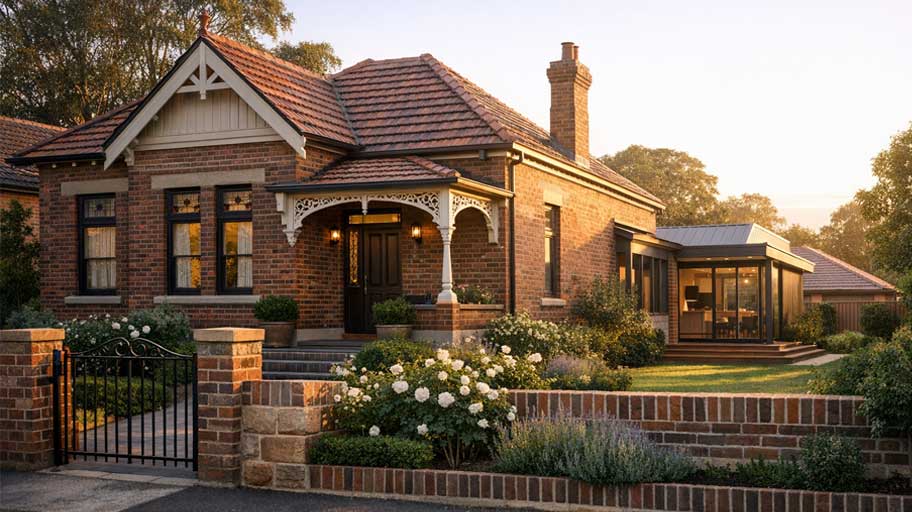
How Councils Really Assess Heritage Renovation Applications
Councils do not approve or reject projects based on whether they like your taste. They assess risk. Specifically, risk to heritage significance.
Most of that assessment focuses on what can be seen from the street. Original facades, roof forms, window proportions, front setbacks, and overall streetscape presence carry more weight than people expect.
Internally, councils are often far more pragmatic, especially when heritage value is external. Rear extensions, internal reconfigurations, and modern living spaces are commonly approved when they are visually respectful.
For dual-occupancy lots, councils look at hierarchy. They want the original home to remain the hero. Secondary dwellings must feel secondary, not like a new house trying to steal attention.
This is why successful heritage dual-occupancy projects almost always hide complexity behind the original structure.
Heritage Impact Statements Are Not Just Paperwork
A Heritage Impact Statement is one of the most misunderstood parts of the approval process. Many homeowners treat it like a formality. Councils do not.
This document explains why the property matters, what elements contribute to its significance, and how your proposal responds to that significance. When written properly, it answers objections before they are raised.
A weak Heritage Impact Statement can sink a good design. A strong one can carry a challenging proposal through assessment.
This is especially true for dual-occupancy sites, where council planners are already cautious. The report must show that the second dwelling does not diminish the original home’s role in the streetscape.
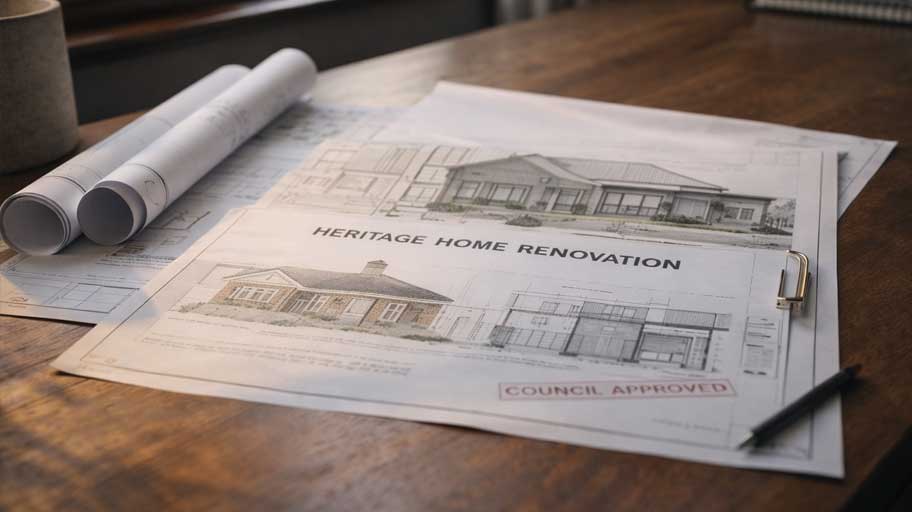
How Councils Really Assess Heritage Renovation Applications
Councils do not approve or reject projects based on whether they like your taste. They assess risk. Specifically, risk to heritage significance.
Most of that assessment focuses on what can be seen from the street. Original facades, roof forms, window proportions, front setbacks, and overall streetscape presence carry more weight than people expect.
Internally, councils are often far more pragmatic, especially when heritage value is external. Rear extensions, internal reconfigurations, and modern living spaces are commonly approved when they are visually respectful.
For dual-occupancy lots, councils look at hierarchy. They want the original home to remain the hero. Secondary dwellings must feel secondary, not like a new house trying to steal attention.
This is why successful heritage dual-occupancy projects almost always hide complexity behind the original structure.
Heritage Impact Statements Are Not Just Paperwork
A Heritage Impact Statement is one of the most misunderstood parts of the approval process. Many homeowners treat it like a formality. Councils do not.
This document explains why the property matters, what elements contribute to its significance, and how your proposal responds to that significance. When written properly, it answers objections before they are raised.
A weak Heritage Impact Statement can sink a good design. A strong one can carry a challenging proposal through assessment.
This is especially true for dual-occupancy sites, where council planners are already cautious. The report must show that the second dwelling does not diminish the original home’s role in the streetscape.

What Changes When Dual Occupancy Is Involved
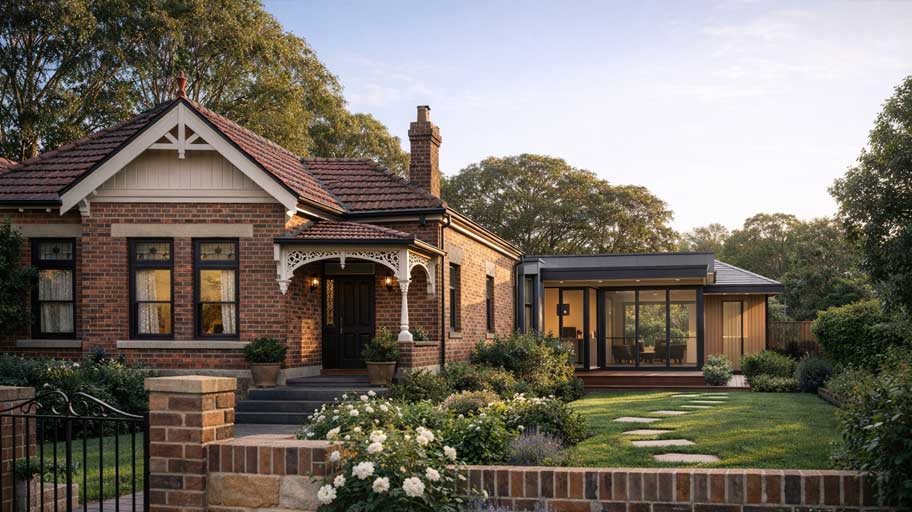
Dual occupancy on a heritage site does not mean no. It means careful. Councils assess density, overshadowing, privacy, access, parking, landscaping, and visual dominance. But for heritage homes, visual dominance is usually the biggest hurdle.
The second dwelling must sit comfortably behind or beside the original home without competing with it. Roof heights are often lowered. Materials are chosen to complement rather than mimic. Landscaping becomes a design tool, not an afterthought.
We often see council push back when the second dwelling feels like it was designed independently of the heritage home. When both are designed as one story, approvals tend to move faster.
The Most Common Reasons Heritage Applications Get Stuck
In our experience, delays almost never come from council being unreasonable. They come from avoidable mistakes. Incomplete documentation is a big one. Another is assuming complying development pathways apply when they do not. Many heritage projects must go through a full Development Application, especially when dual occupancy is involved.
Another issue is design optimism. Designs that look great on paper but ignore local context or heritage constraints often trigger multiple rounds of revisions.
This is where working with a builder experienced in heritage construction makes a difference. If you are considering a renovation, our heritage construction services page explains how these projects need to be approached differently from standard builds.
Why Early Council Consultation Matters More Than You Think
Pre-lodgement meetings are often overlooked, but they can save months.
These meetings allow you to present early concepts and hear concerns directly from planners. They also help you understand which aspects council will scrutinise most.
While pre-lodgement feedback is not binding, it shapes better applications and reduces surprises after submission.
It also signals that the project is being approached responsibly, which matters more than people realise.
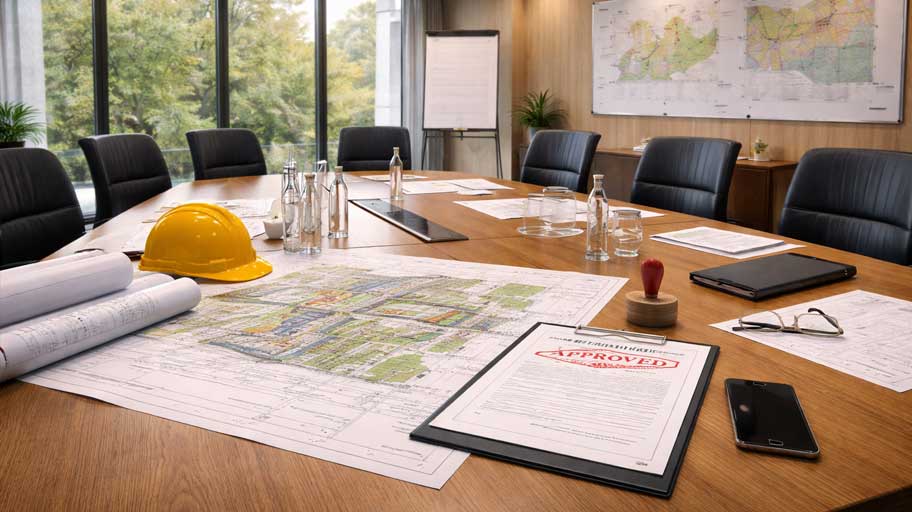
Timeframes: Setting Realistic Expectations
Heritage approvals take time. Dual-occupancy heritage approvals take longer.
Even well-prepared applications can take several months from lodgement to approval. Requests for additional information are common and should be expected, not feared.
The biggest frustration we see is when homeowners underestimate the timeline and feel pressure to rush decisions. Rushed heritage applications almost always come back with conditions or requests that slow things down further.
Patience at this stage pays off later.
Designing for Approval Without Losing Liveability
One of the biggest misconceptions about heritage controls is that they prevent modern living. In reality, thoughtful design often improves both character and comfort.
Rear extensions allow for open plan living without altering street presence. Secondary dwellings can create flexible living arrangements, multigenerational options, or long-term investment value.
Councils respond well to designs that show restraint at the front and confidence at the rear. If you are still weighing whether renovating is the right move, our article on whether to renovate or rebuild can help clarify your options.
A Final Word for Homeowners Planning Ahead
Heritage renovations are not about fighting council. They are about understanding what matters and designing around it.
When heritage significance is respected, documentation is strong, and the project is approached holistically, approvals are achievable even on complex dual-occupancy lots.
If you are planning a heritage renovation or exploring a dual-occupancy opportunity, it is worth speaking with specialists early. You can explore our heritage renovation experience or contact the Ardent Construction team to discuss your project before plans are locked in.
Handled properly, heritage homes do not limit what is possible. They demand that it is done properly.